A single unexpected hospital visit can quickly turn into a financial burden. What starts as a routine procedure or emergency care often leads to multiple bills arriving weeks later from hospitals, physicians, labs, and even out-of-network providers.
For many patients, the challenge is not just the cost but the lack of clarity. Bills may not align with insurance estimates, medical codes can feel unfamiliar, and payment timelines often seem tight. When this confusion leads to delayed action, unpaid balances can begin to escalate, leading to mental stress and frustration.
The Consumer Financial Protection Bureau (CFPB) reported in its 2022 Medical Debt Burden in the United States report that about $88 billion in medical bills is currently in collections, affecting one in every five Americans.
Understanding what happens when medical bills go unpaid gives patients a clearer path forward. The process doesn’t happen overnight, but each stage adds pressure financially and emotionally.
Medical debt often reflects gaps in the healthcare system rather than poor financial planning. Even patients with insurance can struggle to keep up when out-of-pocket costs rise unexpectedly or when claims are delayed or denied.
One key way to prevent such issues is proper insurance eligibility verification before treatment.
In many cases, billing itself contributes to the problem. Patients may receive separate statements from different providers involved in a single visit, making it difficult to track what’s owed and to whom. Over time, this fragmentation creates confusion, which increases the likelihood of missed or delayed payments.
When a medical bill is left unpaid, it doesn’t immediately turn into a major issue, but it does begin moving through a defined process. Each stage increases the level of financial and administrative pressure, especially if no action is taken.
When a bill is first issued, providers typically send multiple reminders. These may include mailed statements, emails, or patient portal notifications. At this stage, patients usually have the most flexibility to ask questions, dispute charges, or request payment plans.
If the balance remains unpaid for several months, it may be transferred to a collection agency. Communication becomes more persistent and formal, and while negotiation is still possible, options may be more limited than in earlier stages.
Unpaid balances can eventually be reported to credit bureaus. While recent policy updates have reduced the impact of smaller debts, larger unpaid medical bills can still lower credit scores and affect future borrowing opportunities.
In more serious cases, especially for high-value balances, providers or collection agencies may pursue legal action. This can result in court judgments, wage garnishment, or other financial consequences, depending on local laws.
The consequences of unpaid bills extend beyond financial records. Over time, they can begin to affect everyday decisions and long-term stability.
Patients may face difficulty securing loans or may be offered higher interest rates due to increased financial risk. The stress associated with unresolved debt can also take a toll on mental well-being. In some cases, individuals delay or avoid necessary medical care altogether, which can lead to more serious health complications over time.
This is a quick snapshot of how unpaid medical bills escalate over time. It helps you understand how each stage builds on the previous one and increases financial pressure.
| Stage | What Happens | Impact Level |
| Billing Phase | Reminders and statements | Low |
| Collections | Agency involvement | Moderate |
| Credit Reporting | The score may drop | Moderate |
| Legal Action | Lawsuits or wage garnishment | High |
Many billing challenges originate from administrative inefficiencies rather than patient behavior. Inaccurate medical coding, delayed claim submissions, and poor communication can all contribute to unpaid balances.
A dependable medical billing services company helps ensure that claims are processed accurately and on time, reducing confusion for patients. When billing workflows are streamlined, patients receive clearer statements and fewer unexpected charges.
For smaller providers, medical billing services for small practices can significantly reduce administrative strain while improving revenue flow. Clinics that outsource medical billing services often benefit from faster reimbursements and fewer claim denials.
Read more; Benefits of ai medical billing software for small practices
Working with experienced medical billing experts also improves compliance and minimizes costly errors. Across the industry, providers rely on medical billing services USA to create more transparent and efficient billing systems that ultimately reduce the likelihood of unpaid balances.
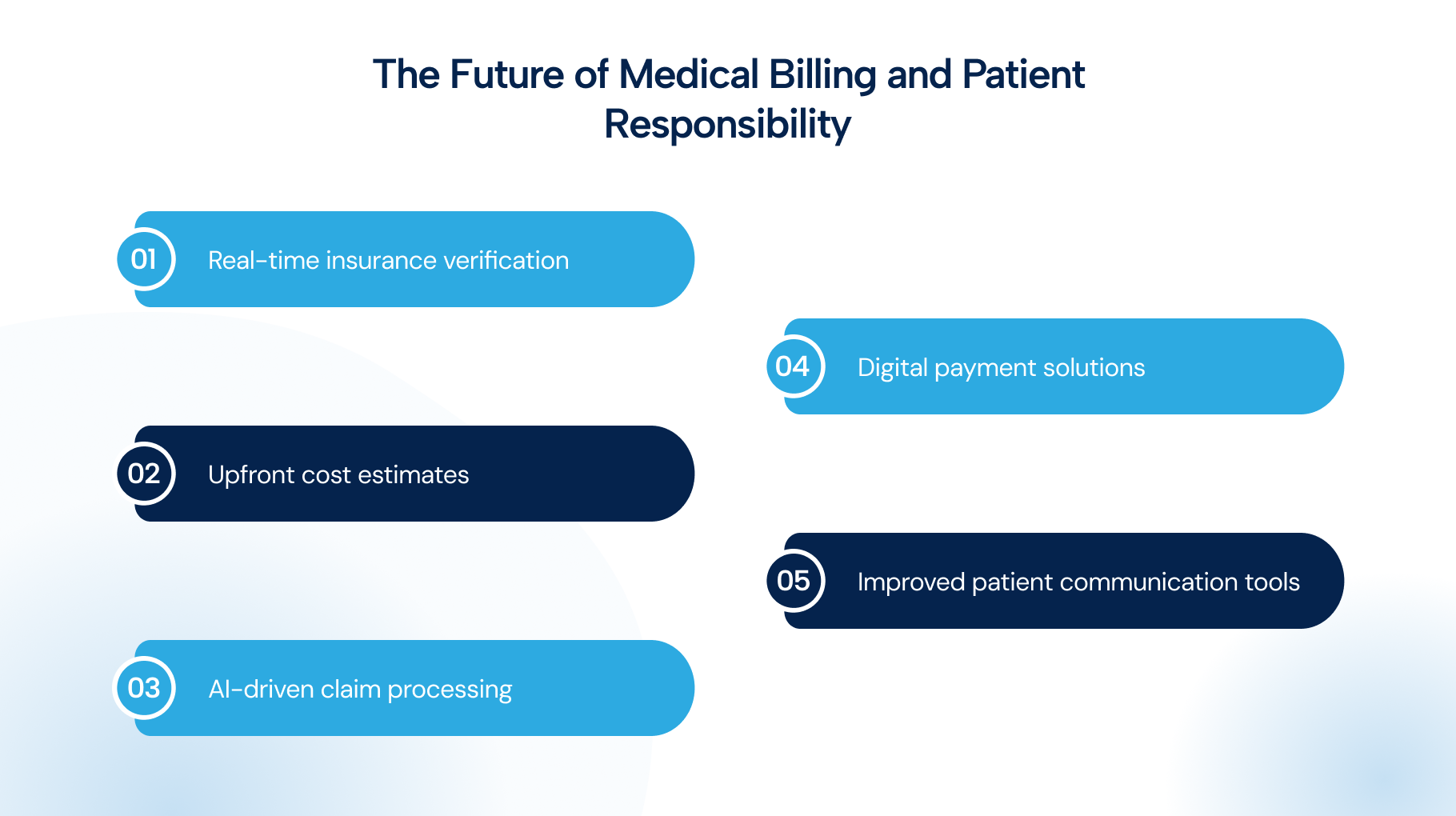
Healthcare billing is evolving toward greater transparency and patient control. Technology is driving this shift, making it easier for patients to understand and manage their financial responsibilities.
Real-time insurance verification: Patients can see coverage details before receiving care, reducing unexpected charges later.
Upfront cost estimates: Providers increasingly offer clear pricing before procedures, helping patients plan financially.
AI-driven claim processing: Automation reduces errors in coding and billing, leading to fewer disputes and delays.
Digital payment solutions: Online portals and flexible payment options make it easier to manage balances.
Improved patient communication tools: Automated reminders and clearer statements help patients stay informed and avoid missed payments.
These changes are designed to reduce confusion and prevent medical bills from escalating into long-term financial challenges.
Unpaid medical bills rarely become serious overnight, but they can grow into larger problems if ignored. The earlier you engage with the process, the more options you have. Review your bills carefully, ask questions when something seems unclear, and explore available payment solutions. Whether through direct communication or professional support, taking action early can help you stay in control and avoid unnecessary financial strain.
Many of the challenges patients face, from unclear charges to delayed insurance processing, often come down to how billing is managed behind the scenes.
Providers that invest in streamlined systems and experienced partners, such as RCM Matter, are better positioned to deliver clearer, more accurate billing, helping patients avoid confusion and financial stress in the first place.
1. Do unpaid medical bills always affect your credit score?
Not always. Smaller debts may not appear on credit reports, and paid collections are often removed. However, larger unpaid amounts can still have an impact.
2. How long before medical bills go to collections?
Most providers send accounts to collections after 90 to 180 days of non-payment.
3. Can you negotiate medical bills?
Yes. Many providers are open to negotiating costs or offering structured payment plans if you communicate early.
4. Is medical debt treated differently from other debt?
Yes, recent updates to credit reporting have made medical debt less damaging compared to other types of debt.
5. What’s the best way to avoid unpaid medical bills?
Stay proactive by reviewing statements, confirming insurance coverage, and addressing discrepancies as soon as possible.
Optimize billing, claims and collections with expert RCM support let our professionals handle the process so you can focus on patient care.